0%

Choosing the right Pallet Racking system can shape how much stock a warehouse holds, how quickly staff retrieve it, and how safely aisles operate. Yet “best” depends on the building, inventory, and daily work—not a product ranking. A narrow aisle with fast-moving cartons needs a different layout from a cold room holding deep quantities of identical pallets. Small details matter. Forklift turning space, pallet dimensions, ceiling height, and replenishment routines can change the answer.

Industry data points toward continued investment in warehouse technology. MHI’s 2024 Annual Industry Report found that 55% of surveyed organizations planned to increase supply-chain technology investment. That figure does not prove that automation—or any particular rack design—is right for every site. It does underline the value of planning storage around operations, rather than simply adding bays. OSHA’s materials-handling guidance also stresses stable, secure storage, a reminder that capacity gains must not come at the expense of safe handling. Selective, drive-in, push-back, pallet-flow, and cantilever systems each solve different storage problems. Some trade direct access for higher density; others make every pallet easier to reach. The trade-off is real. A dense layout may look efficient on a drawing, then create congestion during a busy shift. This guide compares the main types of pallet racking, their practical strengths, and the constraints buyers should examine before choosing. No single option wins everywhere, and that is worth admitting.
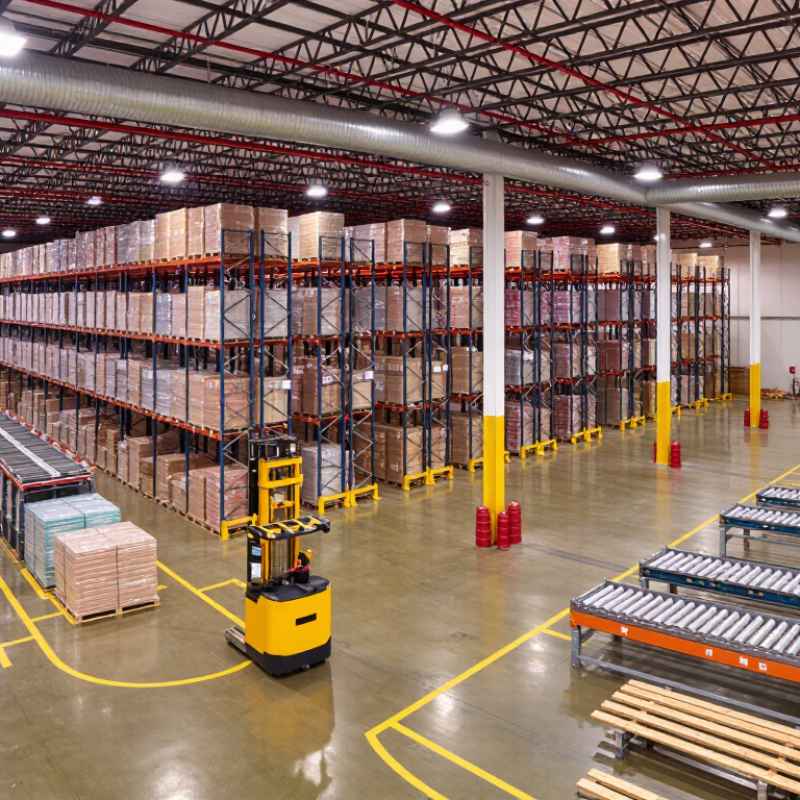
What Are the Best Types of Pallet Racking?

How Pallet Racking Systems Store and Support Loads

What Are the Best Types of Pallet Racking?

How Pallet Racking Systems Store and Support Loads

A pallet rack carries weight through a simple but engineered path: pallet, beams, upright frames, base plates, then the floor. Selective racks give forklifts direct access to each pallet. Double-deep racks store pallets farther back, while drive-in systems use rails to support pallets inside a lane. Push-back and pallet-flow racks move loads along inclined tracks. Each design trades access, storage density, and operating flexibility differently.

The load rating is not a guess. It depends on beam span, frame height, pallet condition, load placement, and floor capacity. ANSI MH16.1, the RMI/ANSI specification for industrial steel storage racks, provides design requirements for rack structures and their loads. The MHI 2024 Annual Industry Report found that 55% of surveyed supply-chain professionals planned to increase technology investment, highlighting the growing need to coordinate storage layouts with handling systems.

Yet a sophisticated layout cannot fix a damaged pallet. A skewed load or unevenly distributed cartons can shift pressure across the beams. That sounds small. It matters. Operators should follow posted capacities, keep loads centered, and report bent components for assessment.

Which Factors Determine the Best Pallet Racking Type

The best pallet racking type depends on how your warehouse handles goods, not just how many pallets it can hold. Start with SKU variety and access needs. Selective racking gives direct access to each pallet, which suits warehouses with many product lines. Drive-in systems store more pallets in less floor space, but forklifts must enter the lanes and access is less flexible. That trade-off matters.

Next, consider stock rotation, pallet dimensions, and daily movement. First-in, first-out flow may favor pallet-flow racking, while last-in, first-out storage can work with drive-in or push-back systems. Check pallet weight and load stability too. Uneven loads can create handling problems, even when the rack appears suitable. A detail people sometimes miss.

Your building and equipment set practical limits. Measure clear height, aisle width, floor condition, and sprinkler clearance before choosing a layout. Confirm that forklifts can safely reach the required levels and turn within the planned aisles. Narrow-aisle systems may increase storage density, but they can require specialized trucks and careful operator training. Space is not free. A layout can look efficient on paper and feel awkward during a busy shift. Test real pallet sizes and traffic patterns with a qualified racking professional before finalizing the design.

What Are the Best Types of Pallet Racking? — Which Factors Determine the Best Pallet Racking Type

Racking Type Pallet Access Typical Stock Rotation Best Suited For Key Trade-Offs Factors to Check Before Choosing
Selective pallet racking Direct access to each pallet position Flexible; supports varied stock rotation Warehouses with many product lines, mixed SKUs, and frequent picking High selectivity, but uses more aisle space than dense storage systems SKU variety, access frequency, aisle width, forklift turning needs, and required storage capacity
Double-deep racking Access from the aisle to the front pallet; rear pallets require a suitable deep-reach truck Usually LIFO within each lane Facilities storing multiple pallets of the same SKU that need more density than selective racking Increases storage density, but reduces direct access and requires compatible handling equipment Number of pallets per SKU, truck reach capability, inventory rotation, and aisle layout
Drive-in / drive-through racking Forklifts enter storage lanes; pallets are stored on rails Drive-in is generally LIFO; drive-through can support FIFO when loaded and unloaded from opposite ends High-volume storage with many pallets of the same product and relatively few SKU changes High storage density, but less selectivity; forklift movement inside lanes requires careful operation Batch size, SKU count, required rotation, lane depth, forklift clearance, and product or pallet consistency
Push-back racking Access from the aisle; pallets are pushed back on carts as subsequent pallets are loaded Typically LIFO within each lane Medium- to high-density storage of several pallets per SKU where access from one aisle is preferred More density than selective racking, but pallets in a lane are not individually accessible SKU quantities, pallet dimensions and condition, lane depth, load compatibility, and LIFO suitability
Pallet flow racking Loading and picking occur at opposite ends; pallets move by gravity on inclined roller tracks FIFO High-throughput operations, perishable or date-sensitive stock, and products needing orderly rotation Supports FIFO and dense lanes, but requires compatible pallets and more specialized equipment and maintenance FIFO requirement, pallet quality and dimensions, lane length, throughput, slope, and maintenance access
Mobile pallet racking One aisle is opened by moving rack rows; only selected aisles are accessible at a time Flexible; depends on the storage and retrieval process Facilities where floor space is limited and high storage capacity is more important than simultaneous aisle access Can reduce the number of fixed aisles, but access may be slower and the system needs suitable floor and safety provisions Available floor area, access frequency, floor flatness and capacity, operating speed, and safety controls
Cantilever racking Open-front access to arms; designed for long or irregular loads rather than standard pallet positions Flexible, depending on the handling method Long items such as timber, pipe, sheet material, and other loads that do not fit standard pallet bays Accommodates awkward lengths, but is not the usual choice for standard palletized goods Load length and weight, arm spacing, required clearances, handling equipment, and whether loads are palletized

Selection principle: The best pallet racking type depends on the balance between storage density and direct pallet access. Compare SKU count, pallets per SKU, inventory rotation (FIFO or LIFO), picking frequency, available floor space, pallet dimensions and condition, forklift capabilities, load ratings, and applicable safety requirements before finalizing a system.

Selective Racking for Direct Access to Every Pallet

Selective pallet racking is often chosen when a warehouse needs direct access to every pallet. Each pallet has its own position, reachable from an aisle without moving another load. This suits operations with many product types, changing order quantities, or frequent stock checks. It is easy to inspect.

Forklifts place pallets on horizontal beams, while upright frames carry the load. Rack dimensions should suit pallet sizes, product weights, and the equipment used in the aisles. A qualified designer can check the configuration against expected loads. Clear load signs help operators avoid guesswork. Keep pallets centered, and address damaged uprights or loose components promptly. Even a small impact deserves attention.

The trade-off is floor space. Aisles between rows mean selective systems usually store fewer pallets per square foot than denser layouts. Still, density is not the only measure. Direct access can reduce reshuffling and make stock rotation easier to manage. Plans may look efficient but feel cramped once forklifts meet busy picking traffic. That detail is easy to miss. Check aisle widths using the actual trucks and pallet dimensions, then review turning space during normal warehouse activity.

Selective Pallet Racking: Direct Access to Every Pallet

Illustrative layout: four bays with two single-deep pallet positions per bay on each of four levels. All 32 positions face the aisle and can be accessed directly. Actual capacity depends on rack design and pallet dimensions.

High-Density Racking: Drive-In, Push-Back, and Pallet Flow

High-density racking stores more pallets in less floor space by reducing the number of access aisles. The right system depends on how many pallets you hold per product and how quickly stock must move. Small details matter. Aisle width, pallet condition, and forklift turning space all affect daily performance.

Drive-in racking lets a forklift enter a lane to place or retrieve pallets, making it useful for large quantities of similar products. It typically follows last-in, first-out handling, so older stock may remain behind newer loads. Push-back racking uses carts on inclined rails; each new pallet pushes the previous one deeper into the lane. When a pallet is removed, the next one rolls forward. It offers convenient access from the aisle, but cart movement and pallet consistency need regular attention.

Pallet flow racking uses gravity rollers to move pallets from a loading side to a separate picking side. This supports first-in, first-out rotation and can suit dated or frequently replenished goods. It also needs careful setup: uneven pallets or damaged boards can interrupt movement. On a site visit, a layout may look efficient on paper, yet a busy shift can reveal awkward turns or blocked lanes. Measure real traffic before committing to lane depth.

Specialized Racking for Unique Loads and Warehouse Needs

Specialized pallet racking makes sense when standard selective bays leave awkward gaps or slow down handling. Cantilever racks support long, irregular goods such as timber, pipe, and metal sections, with no front columns blocking access. For dense storage of uniform pallets, drive-in systems reduce aisle space but limit direct access to each load. Push-back racks offer better selectivity, though product rotation and load stability need careful planning. Small cartons may suit carton-flow lanes, where gravity moves items toward the picking face. The right system depends on actual load dimensions, weight, handling equipment, and rotation—not just the floor plan.

Warehouse investment trends underline the value of planning for change. MHI’s 2024 Annual Industry Report says 55% of surveyed supply-chain leaders planned to invest more than $1 million in supply-chain technology over the next two years. That figure is not a racking forecast, but it reflects a push toward more capable operations. Rack layouts should leave room for changing equipment and workflows. Still, specialized systems can be less forgiving: a poorly matched beam height or aisle width can create daily delays. Measure real pallets, including overhang, before specifying a layout.

Tips: Photograph unusual loads, record their weights, and test turning clearance with the actual forklift. Check clearances again after installation. Often, the overlooked pallet causes trouble.

FAQS

What is selective pallet racking best suited for?

It suits warehouses with many product types, changing order quantities, or frequent stock checks. Each pallet is reachable from an aisle. No reshuffling needed.

What should be checked before installing a selective system?

Match rack dimensions to pallet sizes, product weights, and forklifts. Check aisle width and turning space with the actual trucks. Paper plans can miss tight corners.

How can operators reduce risks when using pallet racks?

Keep pallets centered, follow clear load signs, and address damaged uprights or loose parts promptly. Even a small impact deserves attention.

Why choose high-density racking?

It stores more pallets in less floor space by reducing aisles. But density can complicate forklift movement during busy shifts.

How does drive-in racking handle pallets?

Forklifts enter storage lanes to place or retrieve loads. It works well for large quantities of similar products and typically follows last-in, first-out handling.

How does push-back racking work?

Each new pallet pushes earlier pallets deeper onto carts along inclined rails. When one is removed, the next rolls forward. Cart movement needs regular attention.

When is pallet flow racking a useful choice?

It moves pallets on gravity rollers from a loading side to a separate picking side. This supports first-in, first-out rotation for dated or frequently replenished goods.

What can interrupt pallet flow?

Uneven pallets or damaged boards can stop movement. Regular checks help, though real warehouse traffic may still reveal problems a site visit missed.

Conclusion

Pallet Racking systems store palletized goods on sturdy frames and beams designed to support their weight while making inventory easier to organize and handle. Choosing the best type depends on factors such as available floor space, ceiling height, inventory volume, product variety, stock rotation needs, and how often workers need to access individual pallets. The right setup balances storage capacity with safe, efficient movement through the warehouse.

Selective racking offers direct access to every pallet, making it suitable for varied inventory and frequent picking. For denser storage, drive-in, push-back, and pallet flow systems use different approaches to reduce aisle space and manage pallet movement, often working best with more uniform loads or specific stock-rotation patterns. Specialized racking can accommodate unusual load dimensions or particular warehouse requirements. By matching the system to the goods, workflow, and space available, a warehouse can make better use of its storage area without sacrificing accessibility or operational efficiency.

James

James

James is a professional marketing specialist with a deep understanding of the company’s products, their features, and the needs they are designed to serve. He combines product knowledge with clear, customer-focused communication, helping readers make informed decisions and understand how the......