Blog
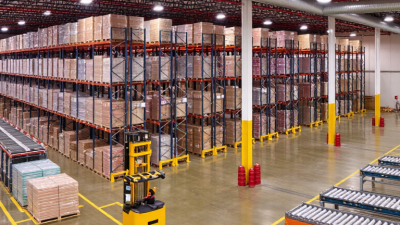
What Are the Best Types of Pallet Racking?
Choosing the right Pallet Racking system can shape how much stock a warehouse holds, how quickly staff retrieve it, and how safely aisles operate. Yet “best” depends on the building, inventory, and daily work—not a product ranking. A narrow aisle with fast-moving cartons needs a different layout from a cold room holding deep quantities of identical pallets. Small details matter. Forklift turning space, pallet dimensions, ceiling height, and replenishment routines can change the answer.
Industry data points toward continued investment in warehouse technology. MHI’s 2024 Annual Industry Report found that 55% of surveyed organizations planned to increase supply-chain technology investment. That figure does not prove that automation—or any particular rack design—is right for every site. It does underline the value of planning storage around operations, rather than simply adding bays. OSHA’s materials-handling guidance also stresses stable, secure storage, a reminder that capacity gains must not come at the expense of safe handling. Selective, drive-in, push-back, pallet-flow, and cantilever systems each solve different storage problems. Some trade direct access for higher density; others make every pallet easier to reach. The trade-off is real. A dense layout may look efficient on a drawing, then create congestion during a busy shift. This guide compares the main types of pallet racking, their practical strengths, and the constraints buyers should examine before choosing. No single option wins everywhere, and that is worth admitting.
Read more »
 By:James
- November 11, 2026
Who Are China's Top Pallet Storage Racking System Manufacturers?
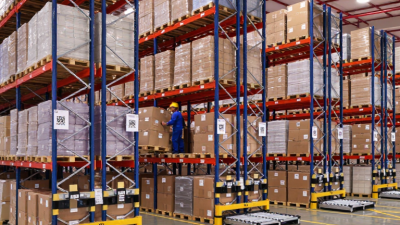
Choosing a Pallet Storage Racking System is not just a matter of counting beams and uprights. The right design must suit the products, forklifts, aisle widths, and daily picking patterns inside a real warehouse. A rack can look impressive in a catalogue and still waste floor space.
Industry data shows why buyers are paying closer attention. MHI’s 2024 Annual Industry Report found that 55% of surveyed supply-chain leaders planned to adopt robotics and automation within five years. That figure concerns supply-chain technology broadly, not pallet racking alone. Still, it points to a practical question: will the rack layout support future equipment, or force costly changes later?
Warehouse-design expert Dr. Edward Frazelle, author of World-Class Warehousing and Material Handling, emphasizes aligning warehouse design with operational needs. A concise paraphrase of that principle is: “Design storage around the operation, not the other way around.” This is a paraphrase, not a verified verbatim quotation.
This guide examines China’s leading manufacturers through the details buyers can check: engineering capabilities, load information, product range, quality controls, and after-sales support. Look beyond polished factory photos. Ask how a supplier handles unusual pallet dimensions, expansion plans, and replacement parts. Those details matter when a forklift enters a narrow aisle on a busy shift. Manufacturer rankings also have limits; public data is uneven, and a large production capacity does not automatically mean a better fit. The strongest choice is the one that matches your facility’s actual risks and workflow.
Read more »
 By:Charlotte
- November 11, 2026
How to Choose the Best Pallet Rack Systems in 2026
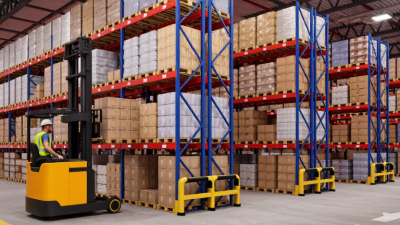
Choosing the right Pallet Rack Systems in 2026 starts with the work happening on your warehouse floor. Order volume, product dimensions, forklift turning space, and inventory changes all affect which layout will perform well. A rack that looks efficient on a drawing may create awkward travel paths once pallets are moving. Small details matter.
Demand for storage continues to grow. The U.S. Census Bureau reported that U.S. retail e-commerce sales reached $1.1926 trillion in 2024, up 8.1% from 2023, and represented 16.1% of total retail sales. That figure does not predict every warehouse’s needs, but it shows why many operators are reassessing storage capacity and fulfillment flow. Capacity is not enough. Access, selectivity, and safe handling matter too.
This guide explains how to compare rack types, calculate usable space, and assess load requirements before requesting quotes. It also considers aisle widths, ceiling height, floor conditions, and the equipment already in use. OSHA’s warehousing guidance stresses stable material storage and clear access routes; these practical checks belong in the selection process, not as an afterthought. A spreadsheet can help, but it cannot replace measurements taken on site. And honestly, forecasts are rarely perfect. The best choice is the one that fits today’s operation while allowing sensible changes tomorrow.
Read more »
By:James
- November 11, 2026