Industrial Pallet Racking Systems & Configurations
Explore our top-performing, field-tested warehouse storage racks engineered for maximum vertical clearance, high unit-load capacities, and seamless automated handling.
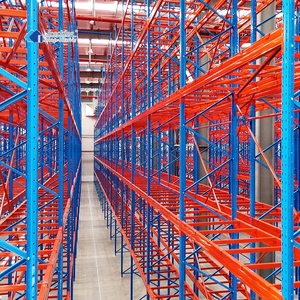
High Density Steel Storage Racks EU Standard Heavy Duty Adjustable Pallet Racking System
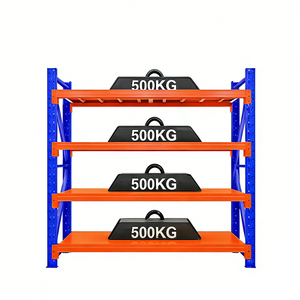
Heda Heavy Duty Pallet Racking System Warehouse Shelves & Stacking Racks
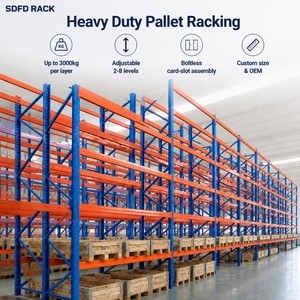
3000kg Heavy Duty Metal Pallet Racking Adjustable Industrial Warehouse Storage System
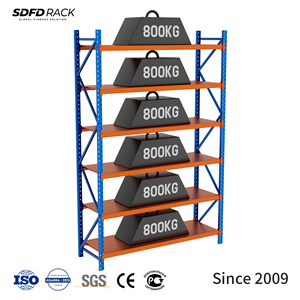
Hot Selling 800kg Adjustable Metal Racking Custom 4-6 Layer Selective Pallet Racks
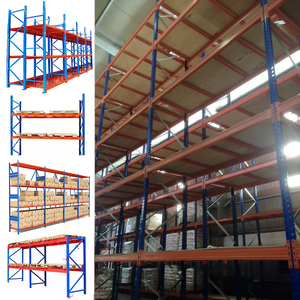
Adjustable Customized Gravity Storage Shelf Heavy Duty Pallet Flow Racking System
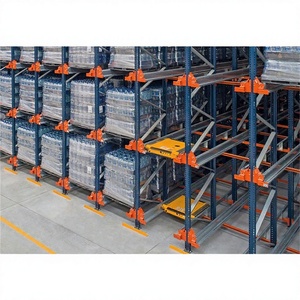
Heda Four-Way Radio Shuttle Intelligent Automated High Density Pallet Rack System
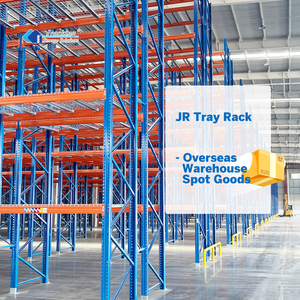
Customized Industrial Warehouse Euro Standard Steel Pallet Racking Storage System
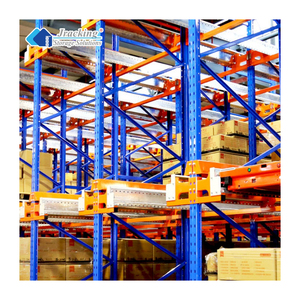
CE Certified High Density Warehouse Double-Sided Two-Way Pallet Radio Shuttle System
Integrated Engineering, Turnkey Manufacturing & Accountability
From architectural clearance analysis to localized building-permit compliance, our direct manufacturing integration removes middleman markups and technical friction.
Engineering Selection Guide: Structural Topologies vs. Operational Velocity
Specifying a heavy-duty warehouse racking pallet system requires balancing three conflicting variables: cubic volumetric density, direct selectivity, and capital expenditure per pallet position. A procurement miscalculation can bottleneck intralogistics throughput or inflate structural spending.
Modern distribution facilities require structural frames that accommodate dynamic loading patterns, impact shears from material handling equipment (MHE), and specialized building fire protection regulations like NFPA 13 transverse and longitudinal flue space mandates.
Chief Structural Engineer's Takeaway: Pallet rack capacity is not simply the beam cross-section rating. Upright frame carrying capacities fluctuate sharply based on unsupported vertical beam spacing (vertical pitch). When selecting systems for seismic design categories C through E, baseplate anchor embedment depth and frame diagonal geometry determine building permit approvals.
| Racking Topology | Selectivity Profile | Volumetric Efficiency | Floor Utilization (%) | Optimal Industry Application |
|---|---|---|---|---|
| Standard Selective Racking | 100% Direct | Moderate (35-40%) | ~40% | High SKU variety, fast FMCG, general 3PL staging |
| Narrow Aisle (VNA) | 100% Direct | High (50-60%) | ~55% | High clear height buildings (up to 15m), guided turret trucks |
| Drive-In / Drive-Through | Low (FILO / FIFO) | High (65-75%) | ~70% | Bulk seasonal storage, homogenous goods, cold storage |
| Gravity Pallet Flow | 100% FIFO | High (70-80%) | ~75% | Perishable foods, pharmaceutical validation, buffer lanes |
| 2-Way / 4-Way Radio Shuttle | Configurable (FIFO/LIFO) | Extreme (80-90%) | ~85% | Deep-lane cold chains (-30°C), intensive beverage bottling |
| High-Bay AS/RS Clad Rack | Automated System | Maximum (90%+) | ~88% | 24/7 automated centers, height >25m, land-constrained zones |
When engineering beam levels, calculations must ensure deflection does not exceed L/200 (or L/250 for automated equipment) under maximum dead and live load combinations. Furthermore, safety beam locks resisting minimum upward dislodgement forces of 5 kN are integrated directly into our teardrop and diamond-slot connection lugs to guard against accidental forklift mast snagging.
Future Procurement Trends in Industrial Storage Infrastructure
As industrial supply chains absorb volatile raw material shifts, automation transitions, and tighter carbon accounting standards, warehouse racking procurement has pivoted from commoditized hardware bidding toward high-lifecycle engineering partnerships.
Integration of Modular Standardization (Smart Ranges)
Supply chain leaders are moving away from hyper-customized structural profiles in favor of interoperable modular components. Standardized beam connectors and interchangeable upright punch patterns allow regional distribution networks to reconfigure bays across multi-tenant warehouses without re-engineering base footprints.
Total Cost of Ownership (TCO) & Deflection Resilience
Buyers now evaluate suppliers through structural resilience and structural steel yield guarantees rather than upfront tonnage quotes. Racking components designed with high strain-hardening cold-rolled profiles demonstrate superior survivability under low-energy forklift strikes, substantially cutting annual maintenance downtime.
Environmental Product Declarations (EPD) & Circularity
Multinational procurement mandates increasingly require verifiable lifecycle emission audits. Sustainable powder coating operations that recover 98% of overspray, waterless pre-treatment cleaning, and certified recyclability of high-tensile structural steel have become weighted selection criteria in international bids.
Technology & Architectural Evolution in Heavy-Duty Storage
The convergence of artificial intelligence, robotic material handling, and real-time sensorization is redefining industrial pallet racking from a static steel framework into an intelligent, digitized asset.
Sensor-Equipped Smart Uprights & Impact Monitoring
Modern racking installations in tier-1 logistics parks are deploying industrial IoT strain sensors and acoustic impact monitors along high-risk aisle portals. These arrays broadcast instant deflection warnings over industrial Wi-Fi when uprights suffer mast strikes exceeding structural threshold margins, preventing progressive collapse.
4-Way Shuttle Swarms & Vertical Carrier Lifts
Traditional single-direction radio shuttles are yielding to multi-directional 4-way robotic shuttles. By shifting lanes across longitudinal and transverse tracks without mechanical turns, these units interact directly with vertical reciprocating elevators to access every bay in the cube, eliminating fixed forklift travel corridors.
Rack-Supported Building (Clad-Rack) Architecture
In mega-fulfillment hubs exceeding 30 meters in height, operators are bypassing traditional building skeletons entirely. Racking structures are designed to support the roof trusses and wall cladding directly, absorbing lateral wind loads and ground accelerations to optimize floor-to-height construction ratios.
Procurement FAQ: Engineering, Permitting & Logistics
Direct technical answers to the most frequent structural and operational questions encountered by facility managers, supply chain architects, and international procurement officers.
How do we calculate exact load capacities for custom beam levels?
What international standards must export racking satisfy for North America and Europe?
What are the critical parameters required to initiate a warehouse racking layout?
How do racking systems accommodate NFPA fire sprinkler requirements?
What is the typical lifecycle and inspection protocol for heavy-duty industrial racks?
Upgrade Your Facility with World-Class Engineering
Speak with our senior intralogistics architects today. Receive a custom 2D/3D layout, static engineering calculation sheet, and containerized export estimate within 24 hours.
Send an Inquiry