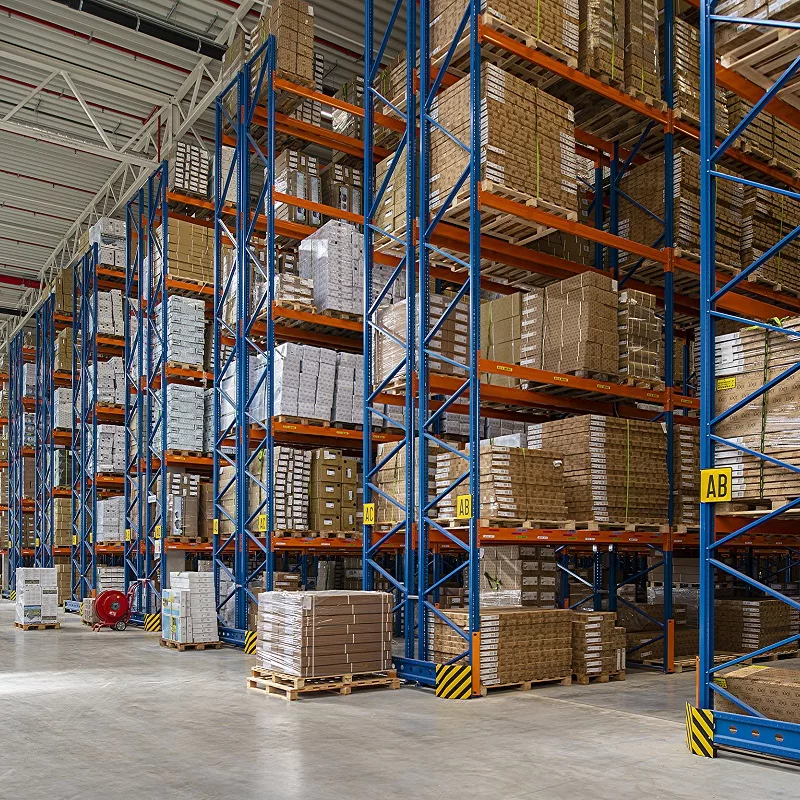
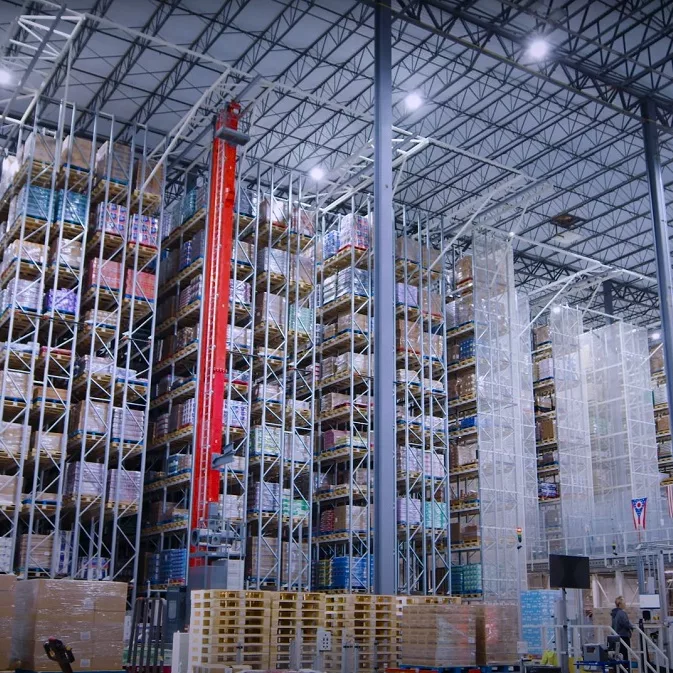
LIFO Drive-in racking high density pallet storage bay installation
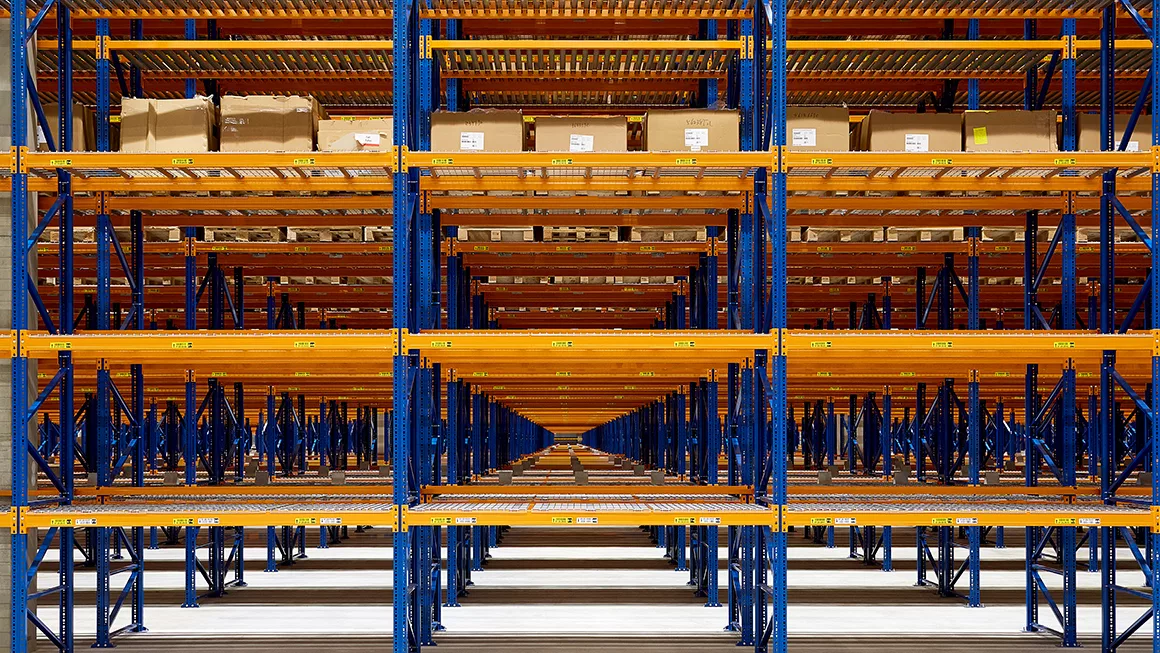
Heavy duty drive in pallet racking rails and forklift entry lanes
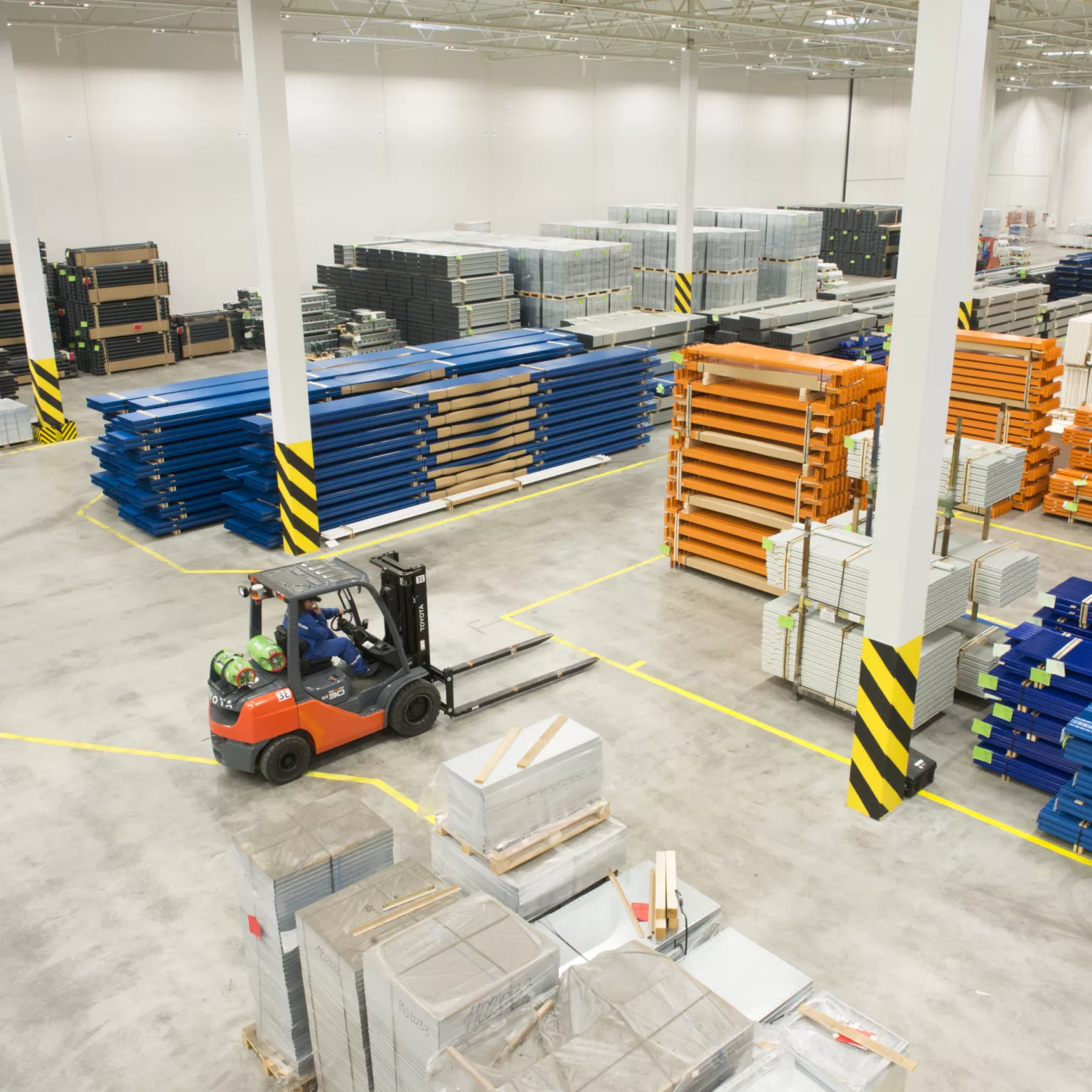
Engineered industrial pallet racking aisles by NEDCON
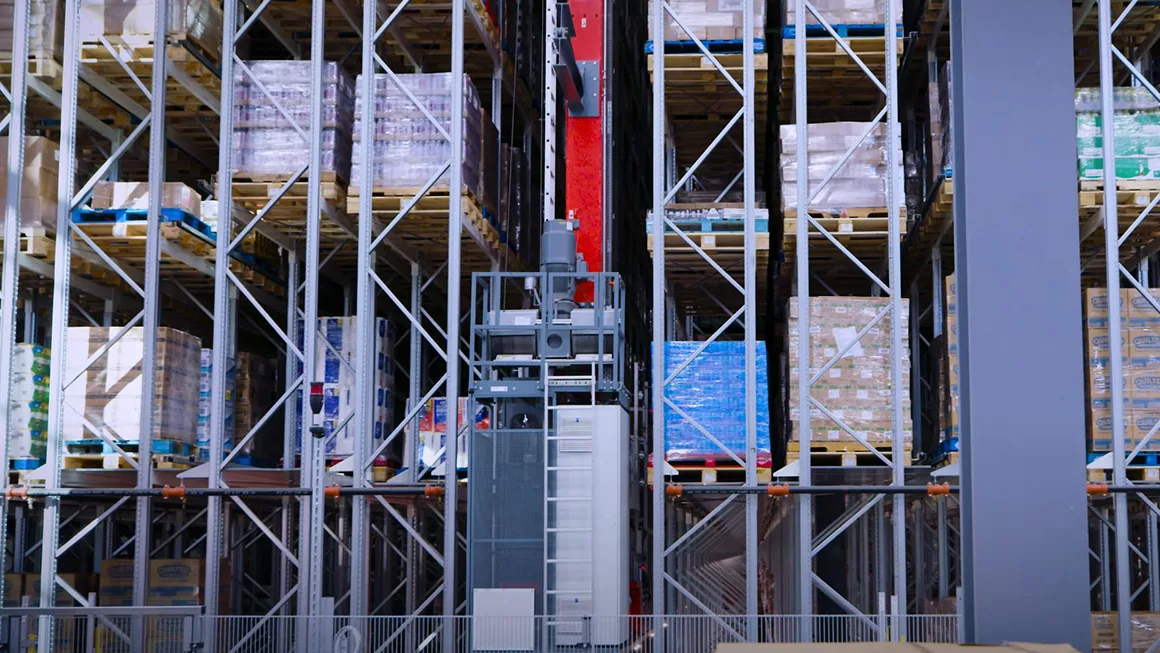
High bay warehouse racking structural design
High-Density Pallet Storage · Global Engineering

LIFO Drive-In Racking: Maximum Density & Engineering Precision

Reclaim up to 85% of warehouse cubic volume. Engineered by NEDCON Storage Racking Solutions B.V. for cold stores, bulk raw materials, and high-volume homogeneous goods under RMI, CSA, and European seismic standards.

Send an Inquiry
85%

Cubic space utilization compared to conventional selective pallet racking

65%

Reduction in dedicated forklift operating aisles across storage footprints

3experts

Dedicated per build: Account Manager, Structural Engineer & Site Installation Manager

100%

Calculated compliance with ANSI MH16.1, CSA A344, and EN 15512 safety codes

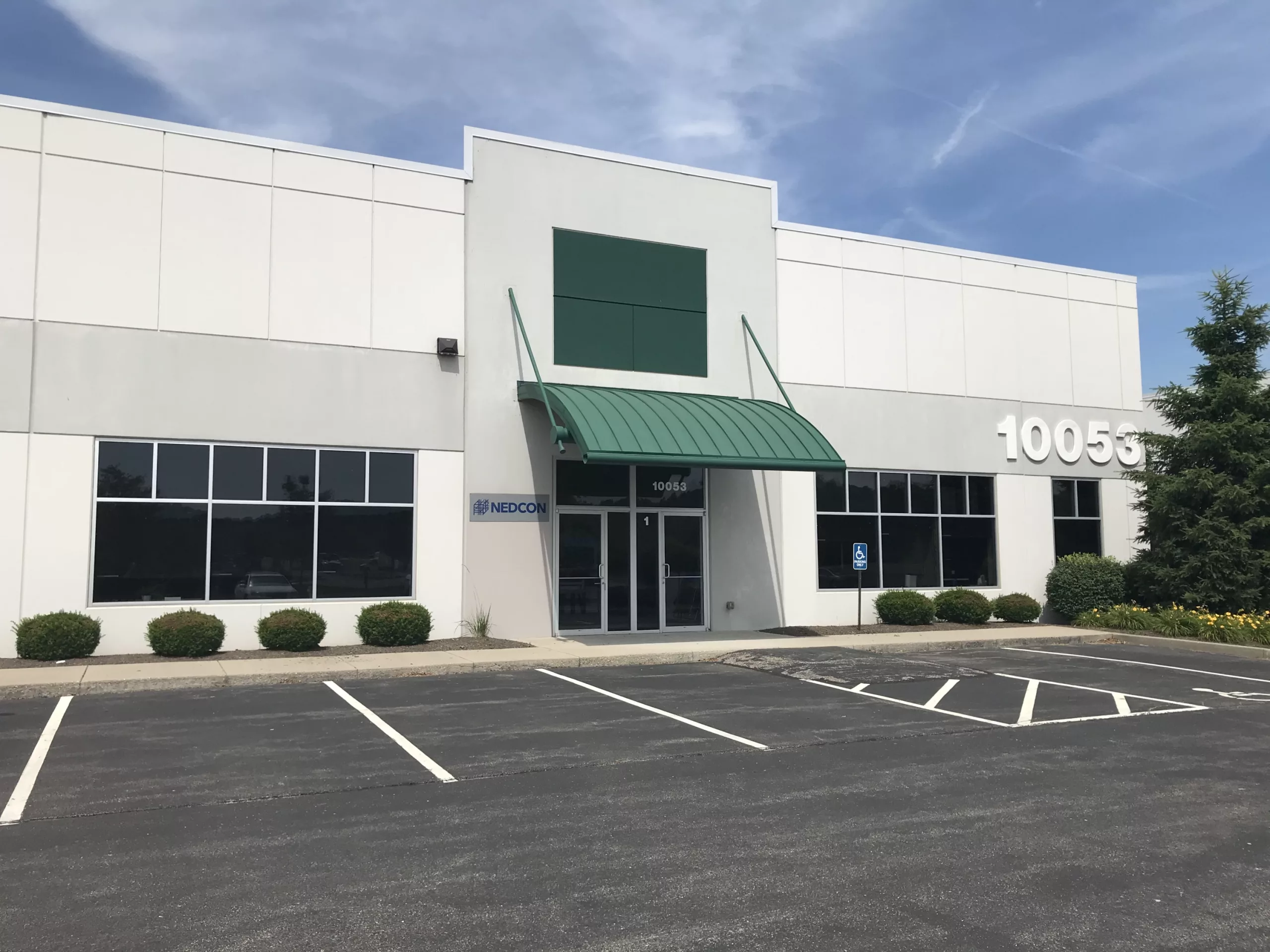
Engineering Hub · Harrison, Ohio
Strategic Storage Architecture

The Mechanics of LIFO Drive-in Racking: Engineered Space Consolidation

NEDCON Storage Racking Solutions B.V. engineers bespoke industrial storage structures that eliminate unnecessary forklift aisles to convert square footage into maximum storage volume. For warehouse managers grappling with soaring commercial real estate lease rates or massive utility overhead in refrigerated distribution centers, LIFO drive-in racking represents the benchmark for compact pallet management.

The operational premise relies on the Last-In, First-Out (LIFO) inventory sequence. Palletized loads are deposited onto heavy-gauge continuous steel cantilever support rails inside deep, unobstructed lanes. Forklifts drive into the racking bays along ground-level guide tracks to pick or deposit goods from the same entry portal. By organizing goods in lanes that run 2 to 10 pallets deep and up to 5 levels high, this deep-lane configuration slashes warehouse footprint requirements by over 60% compared to conventional single-selective racking.

  • Heavy-duty rolled-steel cantilever brackets providing certified load capacity without inner upright obstruction
  • Modular portal top-beam connections with rear dynamic horizontal x-bracing towers for extreme earthquake zones
  • Full compatibility with GMA 48x40, CHEP, PECO, and Euro-pallet formats with fail-safe end stops
Engineered Recommendations

Precision Drive-in Configurations Tailored to Operating Profiles

No two warehouse operations share identical SKU turnover velocities, truck models, or building envelope clear heights. NEDCON offers specialized drive-in racking variants engineered for peak throughput, operator ergonomics, and structural survivability.

Temperature-Controlled Cold storage drive in racking for frozen distribution

Cold Store & Blast Freezer Drive-In

Refrigerated and frozen cubic space is exceptionally expensive to condition. Our cold-storage drive-in configurations minimize conditioned air dead zones and withstand thermal cycling down to -30°C (-22°F) using cold-tough certified structural steel.

Heavy Manufacturing High load capacity drive in racking for manufacturing plants

Heavy-Duty Manufacturing & Bulk Staging

Engineered for high-volume raw materials, packaging packaging batches, automotive subassemblies, and beverage packaging. Reinforced beam arm profiles resist localized mechanical shear and handle static load weights exceeding 3,000 lbs per pallet location.

Forward Compatible Automated shuttle-ready drive-in racking bays

Hybrid Shuttle-Ready Drive-In Bays

A future-proof strategy for operations anticipating eventual warehouse automation. These drive-in bays feature pre-punched beam profiles engineered to accept autonomous semi-automated radio shuttles without structural rewelding or teardown.

Unsure whether your SKU count balances with the deep-lane depth of LIFO drive-in racks? Our engineering team simulates your picking frequency against pallet dwell times.

Send an Inquiry
Engineering Analysis

Structural & Logistics Comparison: Drive-In vs. Competing Storage Systems

Selecting the optimal storage methodology requires evaluating pallet accessibility, initial capital expenditure (CapEx), and cubic efficiency. Evaluate how LIFO drive-in racking compares with alternative deep-lane and selective configurations.

Technical and operational comparison of pallet storage methodologies for industrial distribution facilities
Storage Architecture Inventory Flow Logic Space Utilization Ratio Aisle Space Required Relative CapEx Index Ideal SKU & Batch Dynamics
LIFO Drive-In Racking LIFO (Last-In, First-Out) Up to 85% Cubic Volume Very Low (Single Access Face) Economic / Low Baseline Few SKUs, High Pallet Volume per SKU, Non-expiring Batches
Drive-Through Racking FIFO (First-In, First-Out) Up to 75% Cubic Volume Moderate (Front & Rear Aisles) Low–Moderate Bulk Perishable Goods, Uniform Pallet Sizes, Strict Batch Tracking
Pallet Shuttle Systems FIFO or LIFO Configurable Up to 90% Cubic Volume Very Low (Single or Dual Face) Moderate–High (Automation) Extremely High Throughput, Deep Lanes (up to 40 pallets), Low Labor
Pallet Flow (Gravity) Strict FIFO Up to 85% Cubic Volume Moderate (Separate Load/Unload) High (Roller Beds & Braking) Fast-Moving Perishables, Cold Stores with High Rotation Velocity
Selective Pallet Racking 100% Direct Selectivity 40% – 50% Cubic Volume High (Aisle between each row) Very Low Extensive SKU Counts, Small Batch Sizes, Immediate Pallet Access

Senior Engineering Insight on Honeycombing: LIFO drive-in racks achieve maximum operational density when an entire lane holds identical SKUs from the same production batch. If partial pallets are left across multiple lanes, honeycombing occurs, reducing practical volume efficiency. NEDCON engineers help determine the optimal lane depth (typically 3 to 6 pallets deep) to harmonize batch run quantities with operational turnover.

Enterprise Authority

Why Global Logistics Leaders Choose NEDCON Storage Racking Solutions B.V.

With decades of dedicated steel engineering and thousands of commissioned intralogistics projects worldwide, NEDCON brings unmatched manufacturing quality, structural calculations, and complete lifecycle execution to North American and global operations.

Send an Inquiry
Nijhuis Saur Industries Vanderlande New Wave Textiles Enexis Cotap It's All About Christmas PLUS Natec Siemens CEVA Logistics De Bosrand Witron Knapp Nunner Logistics WINIT
End-to-End Control

Single-Point Accountability from Calculation to Handover

Warehouse racking is an engineered building structure under modern municipal building codes. When partnering with NEDCON Storage Racking Solutions B.V., clients benefit from clear accountability across every project phase:

  1. Dedicated Project Triad

    Every installation is assigned an Account Manager, Project Manager, and Site Installation Manager.

  2. Rigorous Structural Verification

    Design packages include full PE stamps, floor anchor pull-out calculations, slab-load distribution profiles, and NFPA 13 sprinkler clearances.

  3. Automated Smart Range Reseller Supply

    Through our certified CSA configuration tool, standard components can be dispatched from stock hubs within 72 hours for rapid site expansions.

  4. Certified Turnkey Installation

    NEDCON factory-trained technicians supervise erection, laser alignment, baseplate torquing, and final load sign certifications.

Strict Certification Protocols
Purchasing Intelligence

Frequently Asked Questions About Drive-In Racking

Answers to common questions regarding structural calculations, operational limits, pallet configurations, and building codes. For project evaluations, email us directly at [email protected].

Send an Inquiry

What is LIFO drive-in racking and how does it optimize warehouse floor space?

LIFO (Last-In, First-Out) drive-in racking is a high-density, deep-lane pallet storage system where forklifts drive directly into racking lanes to place and retrieve pallets from continuous side support rails. By eliminating intermediate aisles, drive-in racking can increase cubic floor utilization up to 85% compared to conventional selective racking, making it ideal for high-volume, homogeneous SKUs.

What is the critical difference between drive-in (LIFO) and drive-through (FIFO) racking?

The core difference lies in lane accessibility and stock rotation: Drive-In racking operates from a single access aisle on a Last-In, First-Out (LIFO) flow, with the rear of the lane braced for stability. Drive-Through racking provides open aisles on both front and rear faces, enabling a First-In, First-Out (FIFO) material flow suitable for date-sensitive inventory, though it requires dedicating more floor area to operational forklift aisles.

How does NEDCON guarantee structural integrity and forklift impact resistance?

Because forklifts operate within the rack structure, impact mitigation is critical. NEDCON utilizes cold-formed high-strength steel uprights with reinforced bottom column wraps, floor-anchored steel entry guide rails with tapered bell mouths, and rigid overhead portal frames. All installations are calculated to meet ANSI MH16.1 (RMI), CSA A344, and EN 15512 standards.

Can LIFO drive-in racking be transitioned into an automated pallet shuttle system later?

Yes. When specified during initial planning, NEDCON can engineer support uprights and bay depths with the dimensional tolerances and bracket mounting points needed for autonomous radio shuttles. This hybrid-ready approach allows operations to start with conventional forklifts and upgrade to automated shuttles as throughput increases.

What pallet types and load weight tolerances are compatible with NEDCON drive-in systems?

NEDCON systems accommodate standard GMA 48x40-inch pallets, CHEP and PECO block pallets, European Euro-pallets (1200x800mm), and heavy industrial skids. Support rails and cantilever arms are custom-engineered for specific load requirements, typically supporting unit load weights from 1,000 lbs to over 3,300 lbs (1,500 kg) per pallet position.

How does seismic engineering affect drive-in racking design in North America?

Because drive-in lanes lack horizontal shelf beams along the entry lanes, lateral stability depends entirely on top-bay portal tie-ins, overhead cross-bracing, and rear vertical bracing towers. NEDCON engineers use dynamic Finite Element Analysis (FEA) to calculate seismic response spectra per the International Building Code (IBC) and local municipal requirements.

NEDCON warehouse engineering
Engineered Density Solutions

Optimize Your Warehouse Footprint with Certified LIFO Drive-In Racks

Send our structural engineers your warehouse floor plan, clear height details, and pallet weight specifications. We will generate an optimized deep-lane storage layout built for structural safety and high-density performance.