Engineered Storage Equipment & Pallet Rack Configurations
Direct-from-factory structural steel solutions configured for extreme throughput, high pallet selectivity, and maximum space optimization across modern industrial distribution centers.
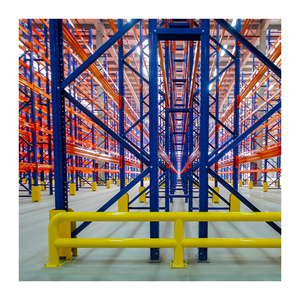
5 Layer Heavy Duty Warehouse Rack
1000–4000kg load capacity per tier, fully automated manufacturing with base-isolated seismic dampening bracing.
View Specifications
Heavy Duty Push Back Pallet Racking
Carton and GMA pallet LIFO dynamic nested carriage design supporting up to 6 pallets deep with anti-jam tracks.
View Specifications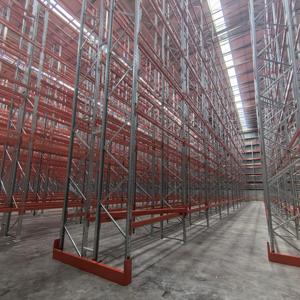
Industrial Logistics Hub Storage Racks
Certified to AU Standard & CE standards, structural steel roll-formed construction tailored for rapid order replenishment.
View Specifications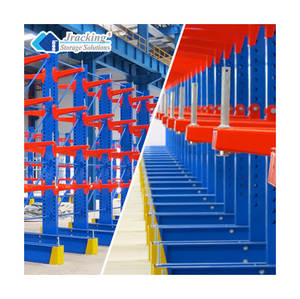
Customized Steel Cantilever Racks
Constructed with certified high-tensile Q235B steel, designed for lumber, pipe profiles, and structural non-palletized cargo.
View Specifications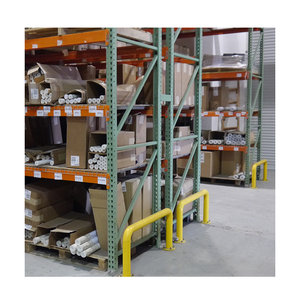
Selective Steel Beam Pallet Racks
100% pallet accessibility, configurable beam steps, heavy-duty frame load profiles supporting fast multi-SKU sorting.
View Specifications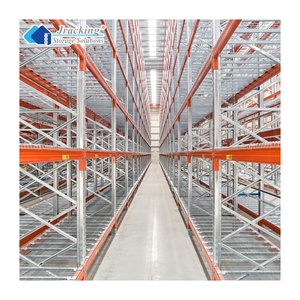
Adjustable Warehouse Logistics Racks
Flexible beam positioning on 50mm/75mm hole pitches with high safety factor locking pins and welded baseplates.
View Specifications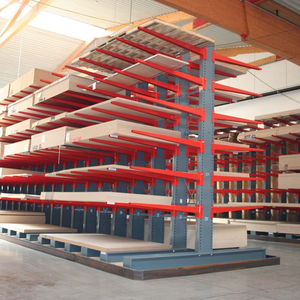
Heavy Duty Timber Cantilever System
Q235 steel uprights designed for outdoor lumber yards and interior raw materials storage with reinforced taper-pin arms.
View Specifications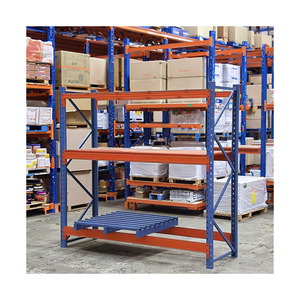
Modular DC Pallet Racking System
2000kg+ capacity per level, standardized modularity ready for direct integration into 3PL dry and temperature-controlled sites.
View SpecificationsEngineering Architecture: Push Back Storage Systems in Industrial Facilities
A Push Back Racking System operates on an inclined rail framework equipped with a series of nested rolling carriages. When a forklift loads the first pallet, it rests on the topmost carriage. As the operator approaches with the subsequent pallet, they gently press against the original unit, propelling it backwards along precision-machined heavy-gauge structural channels to reveal the sub-level carriage. This Last-In, First-Out (LIFO) material handling principle significantly slashes cycle times by removing forklift lane intrusions common to drive-in racking.
In modern high-velocity distribution models, push back racking systems eliminate the honeycombing typical of multi-deep storage bays. By designating single SKU lanes in depths varying from 2-deep to 6-deep configurations, operations maintain rapid accessibility to front faces while consolidating cubic clearance. The structural steel frame acts as a continuous guide, while heavy-duty flange steel wheels with sealed bearings guarantee seamless gliding under 3,000 to 4,000-pound load capacities even in sub-zero cold chain environments.
Structural Steel Inclined Rails
Fabricated from heavy-duty structural steel channel (C-Channel) designed to resist dynamic impact, offering a uniform gradient that facilitates controlled gravity descent without excessive acceleration.
Precision Nested Carriages
Low-profile nested carts minimize vertical profile loss, ensuring optimal usage of vertical clear heights and matching strict warehouse fire sprinkler flue spacing constraints.
Fail-Safe Safety Stops
Integrated mechanical stops, push-back entry guides, and physical shelf end-buffers safeguard against pallet misplacement, tip-over, and uncontrolled carriage detachment during transit.
Push Back Systems vs. Alternative High-Density Racking
Detailed performance benchmarks to guide warehouse design, storage density, and labor operational efficiency.
| Storage Type | Operating Principle | Space Utilization | Forklift Cycle Time | Damage Risk Level |
|---|---|---|---|---|
| Push Back Racking | LIFO (Last-In, First-Out) | 85% - 90% | Fast (Aisle front access only) | Low (No truck drive-in aisle contact) |
| Selective Pallet Racking | FIFO (100% Selective) | 40% - 50% | Standard (Continuous travel per bay) | Moderate (Exposed front uprights) |
| Drive-In Racking | LIFO / FILO Bulk | 75% - 85% | Slow (Mast travel inside frame channels) | High (Frequent column and beam collisions) |
| Pallet Flow Gravity Rack | FIFO (Strict Rotation) | 90% - 95% | Fast (Dedicated charge/discharge aisles) | Low (Brake rollers and safety governors) |
Local Market Application: Greater Phoenix Warehousing & Distribution
The Phoenix industrial ecosystem—spanning the Southwest Valley, Glendale, Tolleson, Goodyear, and the East Valley corridor—has solidified its role as the dominant logistical gateway linking Southern California ports to the interior Intermountain West. Driven by immense expansion in e-commerce fulfillment, cold food chain storage, solar component manufacturing, and semiconductor sub-assemblies, industrial square footage in the Valley of the Sun demands maximum volumetric optimization.
Given the arid desert climate, where ambient summer temperatures frequently surpass 115°F, warehouse climate mitigation and cold storage operations carry heavy operational overheads. Push back pallet racking systems drastically compress the required refrigerated cubic footprint, offering cold storage facilities in Phoenix, Mesa, and Chandler an indispensable means to maximize SKU density within insulated containment zones. Storing fast-turning dairy, produce, beverages, and cold pharmaceuticals 3- to 5-deep cuts energy expenditure by minimizing open volume and reducing internal forklift cycle hours.
Regulatory Adherence: Phoenix IBC & City Building Permitting
Procuring and deploying an industrial racking infrastructure in Maricopa County requires precise adherence to local jurisdictional building codes. Racking structures are classified as permanent equipment subject to the International Building Code (IBC) and NFPA regulations:
1. Seismic Design Category & Anchoring: Phoenix is primarily categorized within Seismic Design Category B and C. Our factory-engineered systems incorporate oversized, laser-cut heavy baseplates, anchor-bolt pull-out structural analyses, and ANSI MH16.1 certified column profiles engineered to counter both dead-weight loads and lateral seismic oscillations.
2. NFPA 13 Flue Space Compliance: The City of Phoenix Fire Department and regional authorities mandate clear longitudinal and transverse flue spaces (typically 3" to 6") to permit thermal plumes to activate ESFR ceiling sprinklers effectively. Push back carts are meticulously fabricated with internal drop stops ensuring pallets cannot shift back far enough to obstruct prescribed flue openings.
3. Permit Package Preparation: Complete structural engineering documentation, PE-stamped layout drawings (Professional Engineer certified in the State of Arizona), slab load calculations, and egress verification are integral components of our turnkey factory manufacturing delivery.
Factory Direct Advantages: Precision, Scalability, and Delivery
Direct manufacturer capabilities supporting industrial distributors, integrators, and Fortune 500 logistics hubs.
Certified Raw Materials (Q235B / ASTM Structural)
We source prime, certified structural carbon steel ensuring uniform yield strength and impact resistance. All upright columns and dynamic carriages endure rigid metallurgical load validation prior to roll-forming and welding.
Dedicated Engineering Triad
Every industrial project is managed by three dedicated specialists: an Account Manager, a Senior Project Engineer, and an Installation Field Manager, ensuring zero ambiguity between initial blueprint drafting and field turnover.
Rapid Deployment & Component Availability
Our standardized structural components, nestable carts, safety hardware, and upright extensions maintain synchronized production queues to satisfy tight general contractor occupancy schedules.
Phoenix Procurement FAQ: Push Back Pallet Racking
Comprehensive engineering, permitting, and operational responses addressing standard facility inquiries.
Maximize Your Phoenix Warehouse Footprint
Connect with our senior storage systems engineering group for CAD layout drafting, structural capacity analysis, and direct factory manufacturing quotes.